
Lightning Rod Repair
Lightning Rod Repair in Dedham, MA
Maintaining the integrity of your lightning protection system is not merely about equipment longevity. It is a critical safety imperative for your property. While these systems are designed for durability, exposure to harsh environmental conditions, structural shifts, or previous strikes can compromise their efficacy. Boston Lightning Rod Company, Inc. provides lightning rod repairs in Dedham, MA. Understanding the nuances of lightning rod repair ensures that your home or commercial facility remains shielded from the unpredictable nature of atmospheric discharge.
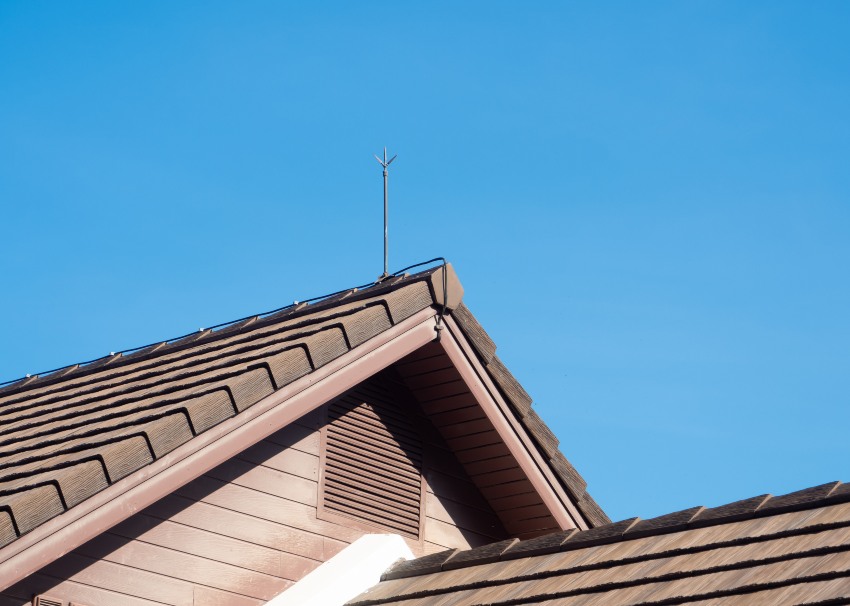
Professional Inspection and Repair Process
Our certified technicians follow a rigorous diagnostic protocol to ensure every component meets operational standards. The process begins with a comprehensive visual inspection, followed by continuity testing to verify that there are no breaks in the path to the ground. We utilize specialized ground resistance meters to confirm that the earth-termination system is still capable of dispersing a surge. Any identified weak points are addressed by replacing damaged conductors, re-securing terminals, and ensuring all mechanical connections are torque-tested for permanence.
Grounding and Bonding Repairs
The efficacy of a lightning protection system is entirely dependent on its grounding. Over time, soil erosion or changes in moisture levels can increase ground resistance, rendering the system less effective. Repairing the grounding system often involves installing additional ground rods or electrolytic electrodes to achieve the required low-ohm readings. Simultaneously, we inspect the bonding of internal metallic systems, such as gas piping and structural steel, to prevent side-flashing, which occurs when electricity jumps from the protection system to other conductive paths inside the building.
Adherence to Code Compliance and Safety Standards
All repairs are executed in strict accordance with NFPA 780, LPI 175, and UL 96A standards. These codes dictate the specific materials and installation methods required to ensure the system functions as a cohesive unit. We provide documentation of compliance upon completion of repairs, which is often a prerequisite for insurance providers and municipal safety inspectors.
Navigating the cost to repair a lightning rod on a home involves balancing high-quality, UL-listed materials against the long-term security of the asset; we caution clients to beware of lightning rod repair scams involving uncertified contractors who use sub-standard materials that fail under the stress of a real strike.
Why Choose Boston Lightning Rod, Inc.?
With over 150 years of field experience, Boston Lightning Rod, Inc. stands as a leader in specialized electrical safety. Our technicians are highly trained specialists who understand the physics of lightning. We prioritize transparency, providing detailed reports of our findings and clear, fixed-price estimates for all necessary remediation. When you partner with us, you are investing in a legacy of reliability and a commitment to preserving your property from the elements.
Contact Us for Lightning Protection System Repairs
Do not wait for a storm to reveal the weaknesses in your safety system. Contact Boston Lightning Rod, Inc. today to schedule a professional diagnostic or to receive a quote for lightning protection system repair. Our team is ready to ensure your peace of mind through expert craftsmanship and proven engineering. Call us!
Frequently Asked Questions
We recommend a professional visual inspection annually and a full mechanical inspection every three to five years to ensure compliance with changing safety codes and to account for environmental wear.
Due to the complexities of electrical grounding and the specific materials required by national safety codes, DIY repairs are strongly discouraged. Improperly repaired systems can actually increase the risk of fire or side-flashing.
While the external system handles the physical strike, we always recommend verifying that your internal surge protection devices (SPDs) are functioning to protect sensitive electronics from the associated electromagnetic pulse.