
Protect Your Schools from Lightning
How to Protect Schools from Lightning
Lightning is a powerful natural phenomenon, capable of causing significant structural damage, damaging electronics, and injuring people. That’s why it’s so important that we protect our schools from lightning strikes, particularly in areas that experience both coastal and inland weather patterns. The best way to do this is with comprehensive lightning protection systems, to keep schools and those within them safe from harm.
Why School Lightning Protection is Necessary
Student safety is a top priority for schools, which is one reason that lightning protection is such an important feature for schools. It’s not the only reason, however. Modern schools are heavy on electronics, with computers, tablets, and other equipment playing a major role in the everyday life of students. A lightning strike could wreak havoc with all of that equipment, as well as with the electrical system, HVAC, and more. To prevent danger to students and faculty and keep school operations running smoothly, a school needs a comprehensive lightning protection system.
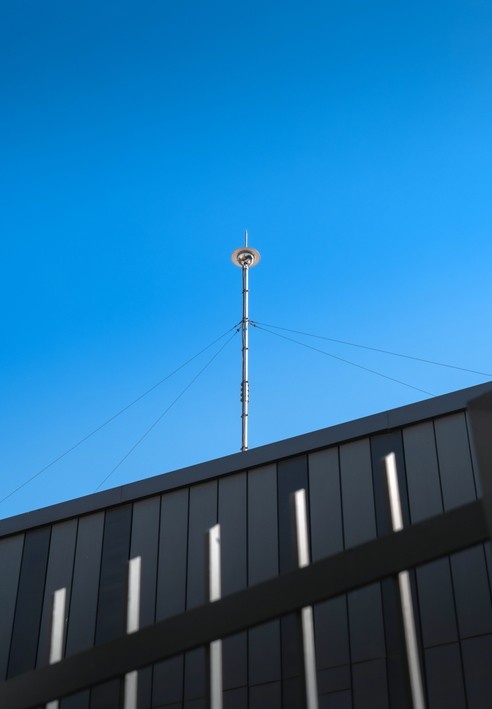
Key Components of a School Lightning Protection System
Lightning protection systems are all essentially the same, made of several important components. They must be tailored to the specific property, however, and there are codes and standards with which a school lightning protection system must be in compliance. Lightning protection systems should include:
- Lightning Rods, Also Called Air Terminals: Placed at the highest points of a building, these rods help prevent lightning strikes by diverting electrical energy into the air or sending it safely to the grounding system.
- Conductors: Made of copper or aluminum, these cables are what connect the lightning rods and grounding system, so that electrical energy can be diverted into the earth.
- Grounding System: This is the point at which the electrical energy dissipates into the ground and is prevented from causing harm to the school building, its occupants, or its systems.
- Bonding: This is what connects all the metal parts of the building to make sure that electrical energy can flow into the ground without harming the structure. Metal parts include things like the HVAC system, the plumbing, and the electrical system.
Best Practices for Lightning Safety Solutions for Schools
In addition to having a lightning protection system in place, schools should have protocols in place to address inclement weather. First, every effort must be made to keep abreast of potential storms and the risk of lightning, and to send alerts in a timely manner. Then, a lightning safety policy should be established, so that students and faculty know exactly what to do in case of an electrical storm, where to shelter, and how to handle lightning-related emergencies.
Why Surge Protection for Schools Is a Lifeline for Modern Classrooms
Modern schools rely on technology, and devices like tablets, laptops, and smartphones are essential to students’ education. An electrical surge could potentially damage an immense number of devices, interrupting learning. Surge protection, then, is essential for protecting these devices and ensuring productive school days. In addition to comprehensive surge protection, an extra layer of protection from charging stations and carts with built-in surge protection can provide peace of mind and help keep lessons running smoothly.
FAQs
- Is it Necessary to Have Lightning Rods for Educational Buildings?
- Yes, because it’s important to protect these structures from the damage that can be inflicted by a lightning strike.
- What is the Importance of Surge Protection in Schools?
- Given how many electronic devices are used in modern schools, and how crucial various electrical components, including communication systems, are to a school, surge protection should be a priority.
- How Do Grounding Systems for Schools Differ from Residential Systems?
- They are designed with the same principles, but grounding systems for schools are more complex and governed by stricter regulations.
- Is Installing a Lightning Protection System Cost Effective?
- Yes, it is cost effective, particularly when you consider the financial repercussions of a lightning strike on a school. Damage done by lightning can cause the need for expensive repairs, replacement of costly equipment, or even prolonged closure of the school while repairs are made. As a preventive measure to those costs, installation of a lightning protection system is a prudent investment.
- Are Lightning Protection Systems for Schools Subject to Code Compliance?
- Commercial lightning protection systems must be compliant with regulations put into place by the National Fire Prevention Association, and this includes schools.
For the Best Lightning Protection Systems for Schools, Contact Boston Lightning Rod Company, Inc.
Protecting our schools is a priority for people in our community, and that includes those who work at Boston Lightning Rod Company, Inc. For over 150 years, our company has provided full-service lightning protection to homes, schools, and businesses in Dedham, MA, and the surrounding areas. We’re long-term residents of this community, having served our neighbors for five generations, and Boston Lightning Rod Company, Inc. is the preferred destination in the region for American-made lightning protection equipment. We provide expert installation of innovative lightning surge protector systems, and our combination of experience, knowledge, and certification instills confidence in our clients. To learn more about all we have to offer, and how we can effectively protect your school from electrical surges, contact us for more information or to schedule a personalized installation appointment.
Designing Effective Industrial Lightning Protection for Industrial Facilities
Lightning protection is important for all structures, but particularly…
The Big Question About Lightning Rods: Do Lightning Rods Attract Lightning?
Perhaps you’ve heard the story of the woman who called into a radio…